


A highly flavored, late-season dessert apple, perfect for organic production.
Pembina Plum on Myrobalan (Spring 2027)

An extremely hardy plum with delicious, sweet fruit.
This tree is cold-hardy to zone 3, possibly even 2b. It blooms late and is not self-fertile; it will require another Japanese, Japanese-native hybrid, or a native plum (P. nigra or P. americana) for pollination. The pollination of Japanese-American hybrids is poorly understood, but the most reliable pollinator - especially for growers in cold climates - will be a native plum, while European plums will not pollinate this variety. Appropriate hybrid pollinators include Alderman, Superior, and South Dakota. (Pembina is itself not considered to be a good pollinator.)
Ripening in the second half of August, Pembina is a medium-large, slightly pointed, semi-cling plum with bright red skin. The yellow flesh is sweet and juicy, with notes of apricot. This is considered one of the best cold-hardy hybrids for fresh eating, and a fair plum for processing.
Pembina was developed by Niels Hansen at the South Dakota Agricultural Research Station. It was selected in 1917 and introduced in 1923. This plum is a cross of a Prunus salicina (Japanese plum, Red June) and Prunus nigra (the Canadian wild plum chosen for its thin skin and cold hardiness). Pembina is named after a river that flows through Manitoba, Canada and northeastern North Dakota. The word is originally Obijwe for Viburnum edule, a native bushy shrub bearing red berries.
Error
Please Confirm
The Fruit
Fruit Type
Category: Plum
Subcategory:
Hybrid, Cold-Hardy
Fruit Uses & Storage
Uses: fresh eating, jam, baking, canning, freezing, jelly
Storage duration: less than one month (approximate, depending on storage conditions)
Fruit Appearance
Skin color: red
Flesh color: yellow
Fruit Origins
Parentage: P. salicina (Red June) x P. nigra
Origin: South Dakota
Introduced in: 1923
Introduced by: Niels Hansen
The Environment
Calendar & Geography
USDA zones: 3 - 8
Chill hours: Not yet determined
Ripening date: Aug 18 (approximate, in New York State) 14 days before Stanley
Tree Height & Spacing
glossary
Rootstock: Myrobalan Rootstock
Rootstock size class: Standard (100% Size)
Tree spacing: See details
Good for wildlife planting? N
Diseases & Pests
glossary
Pembina Plum on Myrobalan does not have any diseases or pests associated with it at this time.
Pollination
Pollination Factors
glossary
Bloom group: 4
Is it self-fertile? N
Is it fertile? Y
Ploidy: Diploid
Rootstock size class:
Standard (100% Size)
Pollination Partners
This table shows the first few results from a full search for pollenizers of Pembina Plum on Myrobalan. Please see our Pollenizer Search to run other queries and read how the application uses various factors. Also read more about fruit tree pollination.
See all pollination matches for Pembina Plum on Myrobalan
Featured Products
A few things we're loving right now...
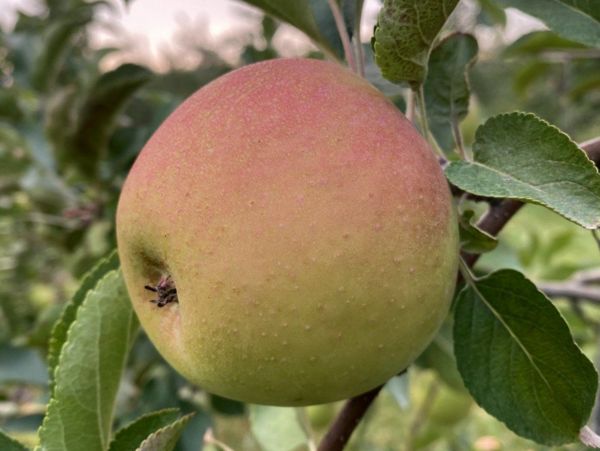
GoldRush Apple on G.890

Harrow Crisp Pear on OHxF 87
A modern, self-fertile, fireblight-resistant pear from Canada.

Sweetheart™ Cherry on Mahaleb
This is an easy, self-fertile sweet cherry.

Winecrisp™ Apple on B.118
A beautiful purple, late-season, disease-resistant dessert apple.