







Graniwinkle on G.41
Apple TreeDwarf
2025
Ripens Sep 01
An apple traditionally used in Newark cider...
294 in stock

Fruit trees are shipped in March and April, but shopping before spring gives the best selection. See our annual schedule, pricing charts, and wholesale info. Refine your tree search below.
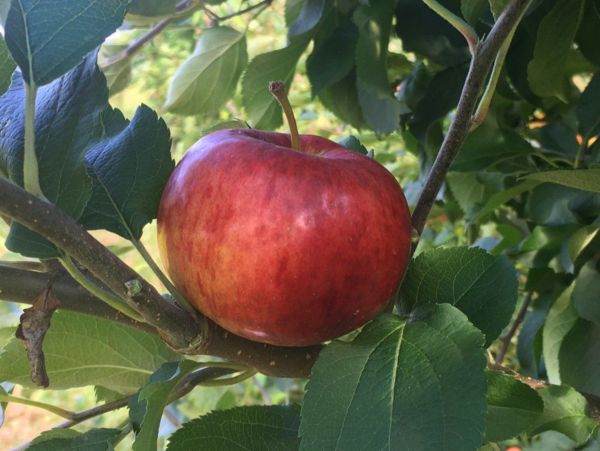
Ripens Sep 01
An apple traditionally used in Newark cider...
294 in stock
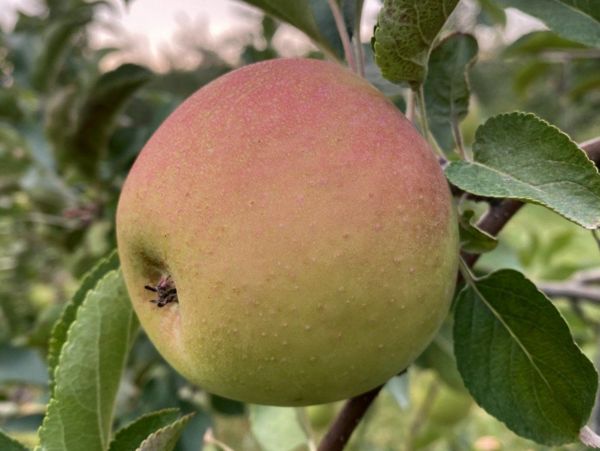
Ripens Nov 10
A highly flavored, late-season dessert apple, perfect for organic production...
297 in stock
.JPG)
Ripens Oct 20
An intensely flavored heirloom apple prized by connoisseurs and cider makers...
245 in stock
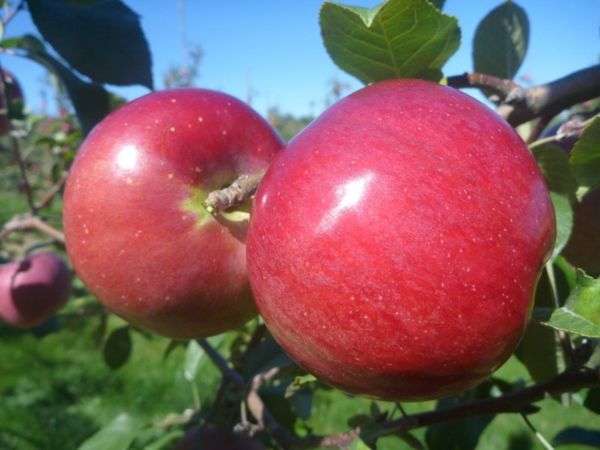
Ripens Sep 29
An excellent, highly disease-resistant modern dessert apple...
121 in stock

Ripens Nov 03
A unique, late-season, red-fleshed apple...
117 in stock
Ripens Oct 20
An intensely flavored heirloom apple prized by connoisseurs and cider makers...
180 in stock
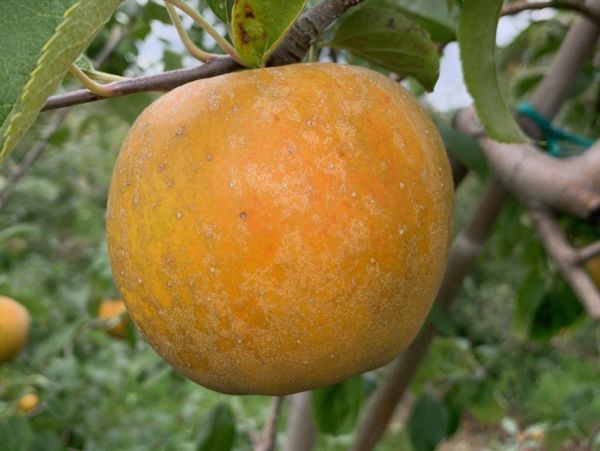
Ripens Nov 03
A prized heirloom for fresh eating and cider...
165 in stock
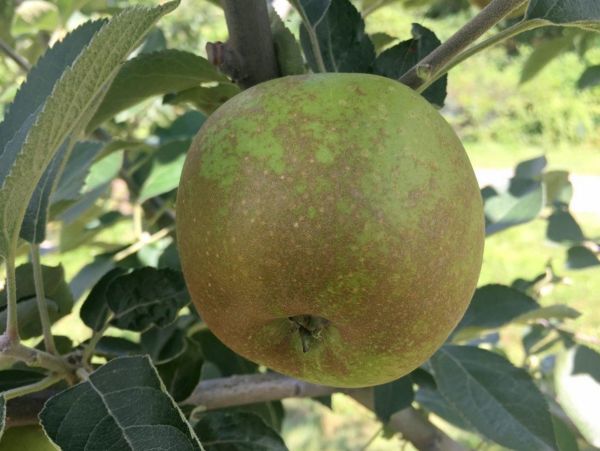
Ripens Oct 20
One of America's oldest apples, good for storage, baking, and cider...
70 in stock
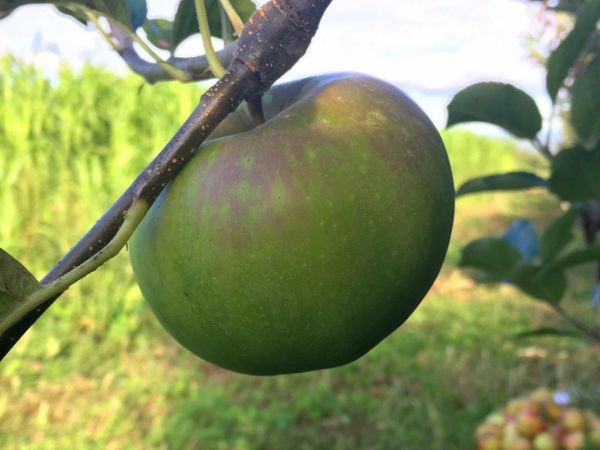
Ripens Nov 03
A storied American heirloom apple with excellent keeping quality...
150 in stock
Ripens Nov 03
A prized heirloom for fresh eating and cider...
136 in stock
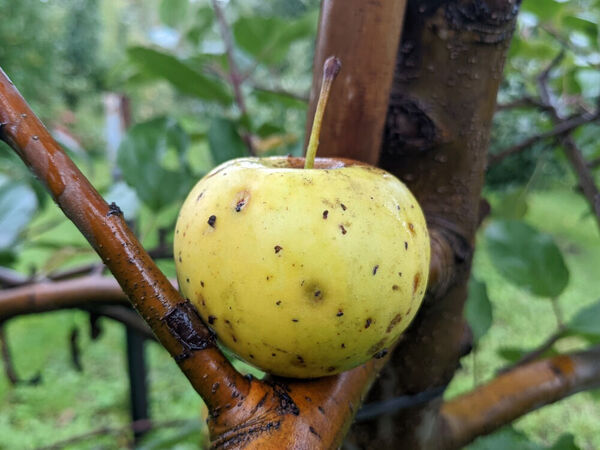
Ripens Sep 22
A cold-hardy, bittersweet cider apple...
132 in stock
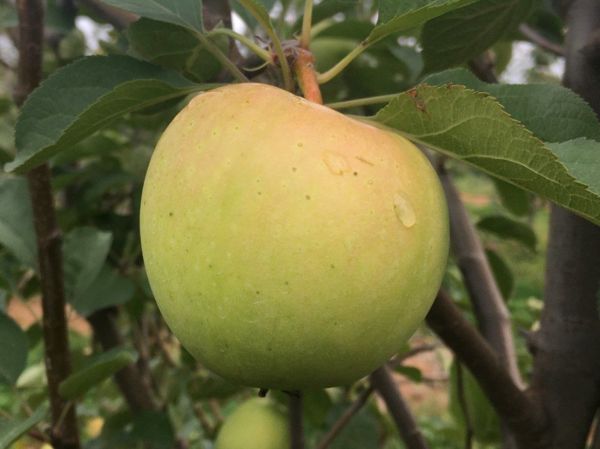
Ripens Oct 20
The most important apple for traditional Newark cider production...
27 in stock
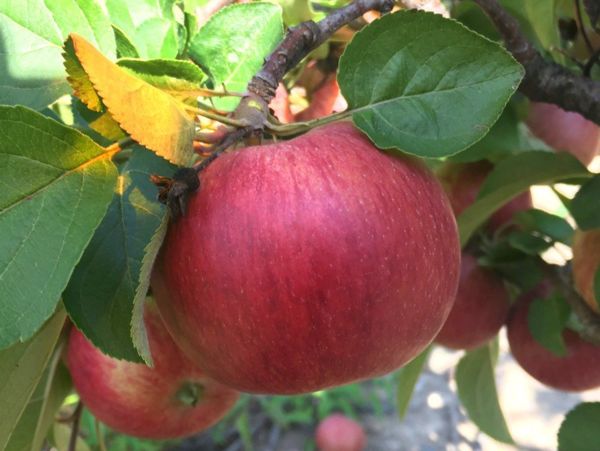
Ripens Oct 13
A reliable English cider apple producing a bittersweet juice...
119 in stock
Ripens Oct 20
An intensely flavored heirloom apple prized by connoisseurs and cider makers...
65 in stock
Ripens Sep 29
An excellent, highly disease-resistant modern dessert apple...
106 in stock
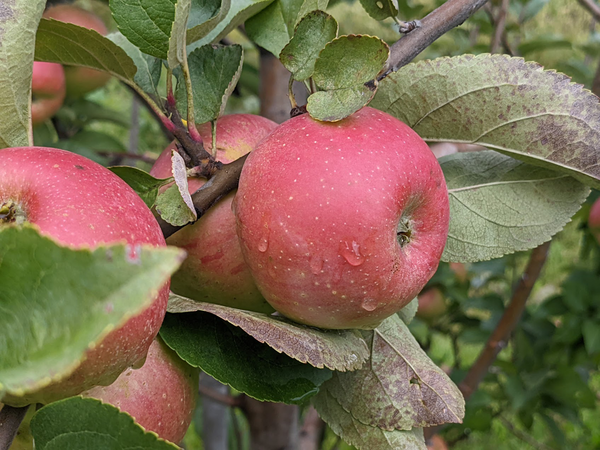
Ripens Oct 20
A traditional bittersweet cider apple from France...
60 in stock
Ripens Nov 10
A highly flavored, late-season dessert apple, perfect for organic production...
93 in stock
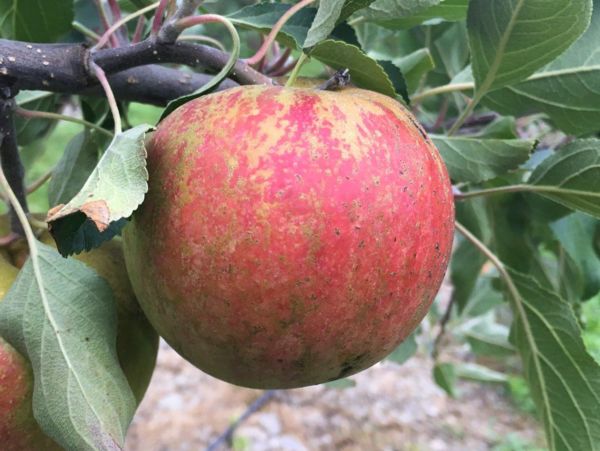
Ripens Sep 29
One of the finest, most beloved English dessert apples...
87 in stock
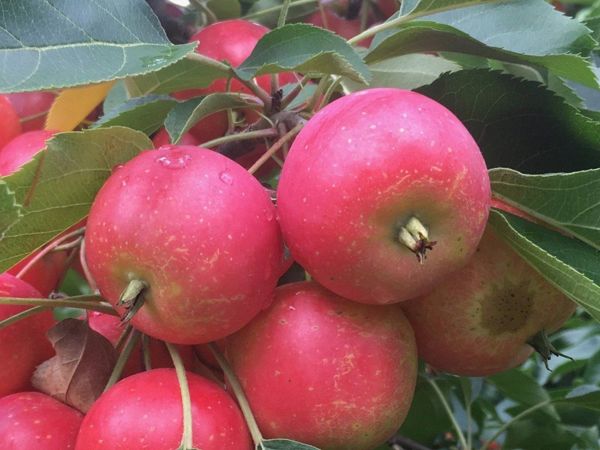
Ripens Sep 15
An American heirloom and one of the best cider crabapples...
84 in stock
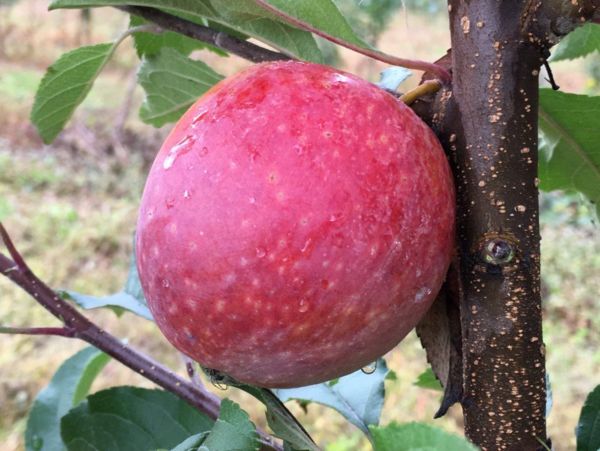
Ripens Sep 29
A traditional bittersweet cider apple from England...
81 in stock
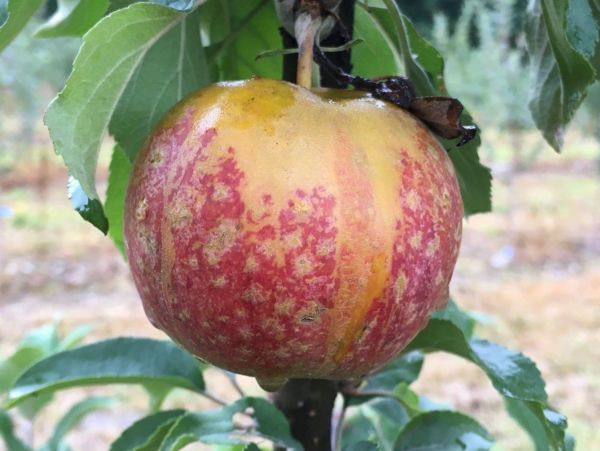
Ripens Nov 03
A bittersharp English cider variety...
80 in stock
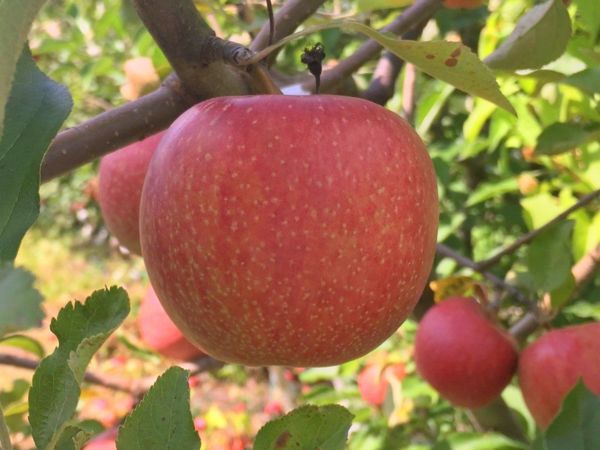
Ripens Oct 27
An American dessert apple for connoisseurs...
39 in stock
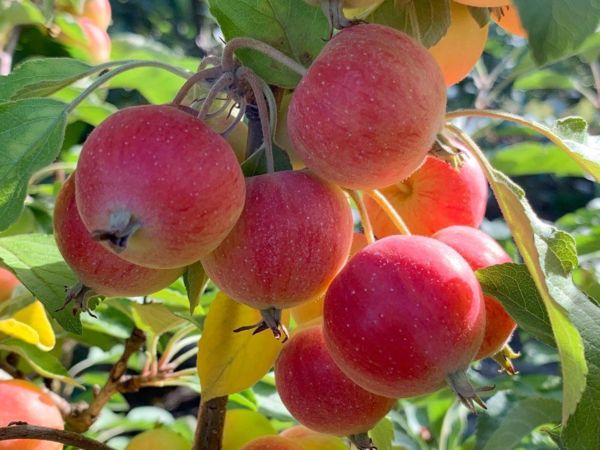
Ripens Oct 13
A bittersharp crabapple for cider, landscaping, and pollenizing...
41 in stock
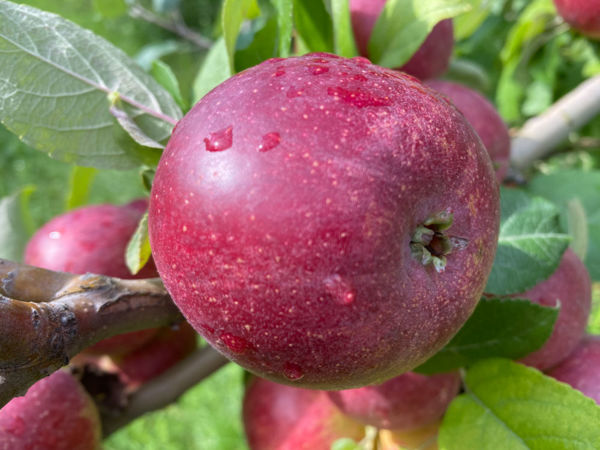
Ripens Oct 27
A traditional English bittersharp cider apple, vintage quality...
70 in stock
.jpg)
Ripens Nov 10
A cold-hardy and disease-resistant heirloom apple from America...
69 in stock
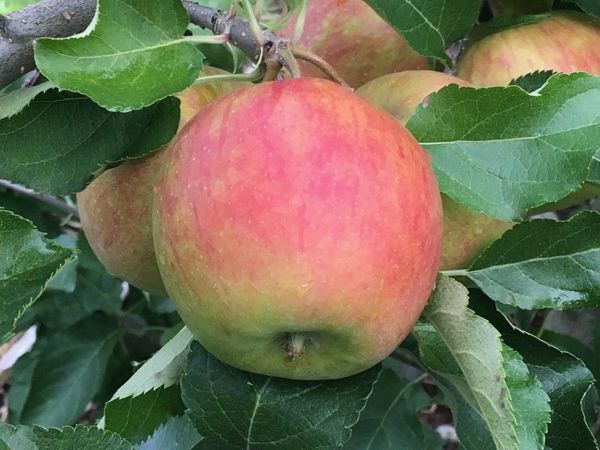
Ripens Sep 29
A high-quality dessert apple, great for the back yard...
65 in stock
Ripens Nov 10
A cold-hardy and disease-resistant heirloom apple from America...
24 in stock
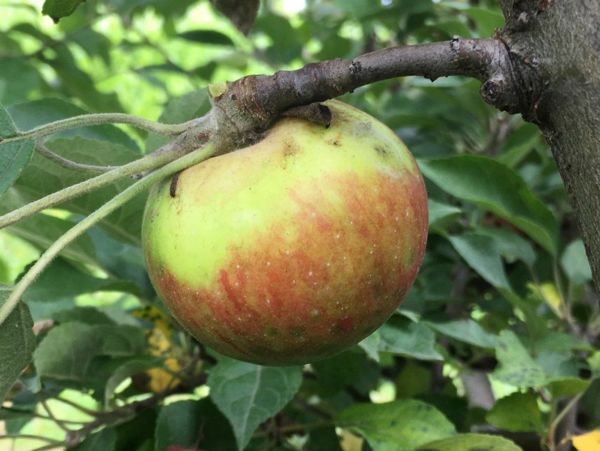
Ripens Oct 27
A traditional French bittersweet cider apple...
60 in stock
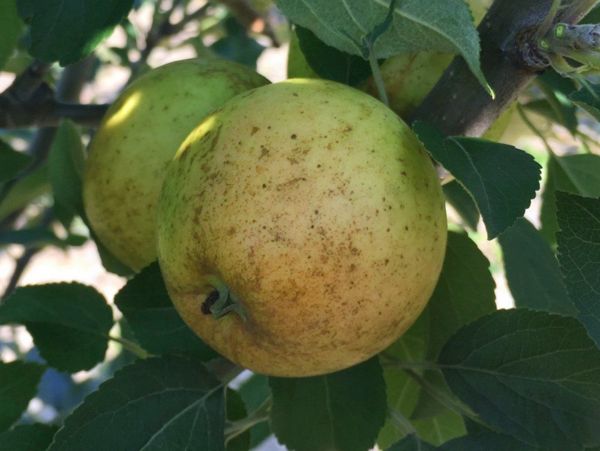
Ripens Oct 06
A traditional bittersweet French cider apple...
60 in stock
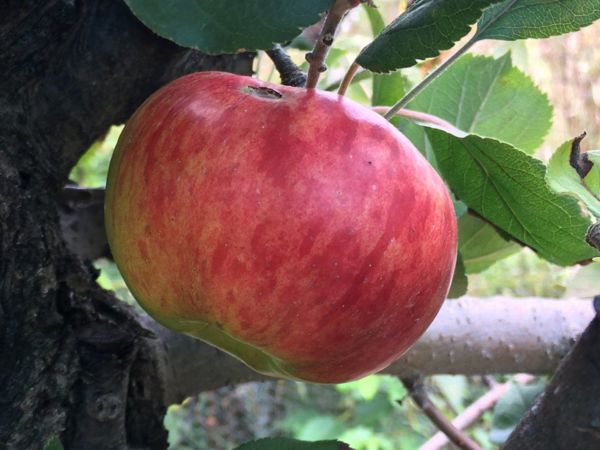
Ripens Aug 11
A traditional sharp cider apple from England...
60 in stock
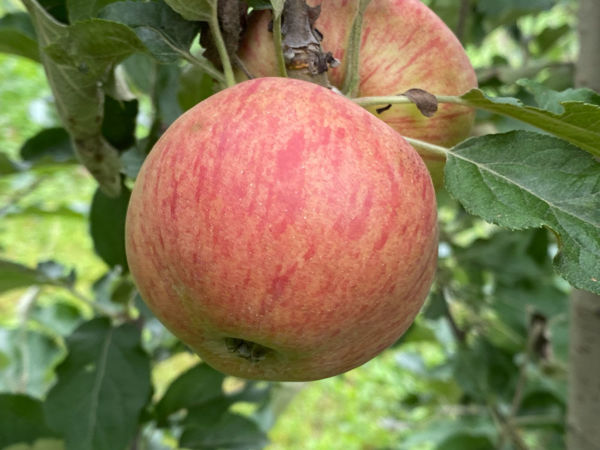
Ripens Sep 01
A traditional bittersweet cider apple from England...
60 in stock
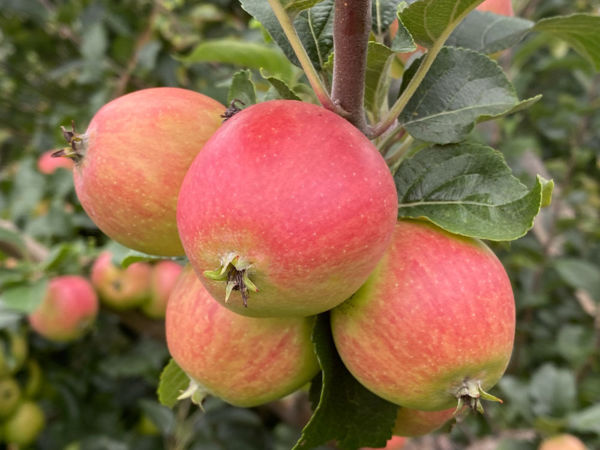
Ripens Sep 15
A traditional bittersweet (amère) cider apple from Normandy, France...
60 in stock
A few things we're loving right now...
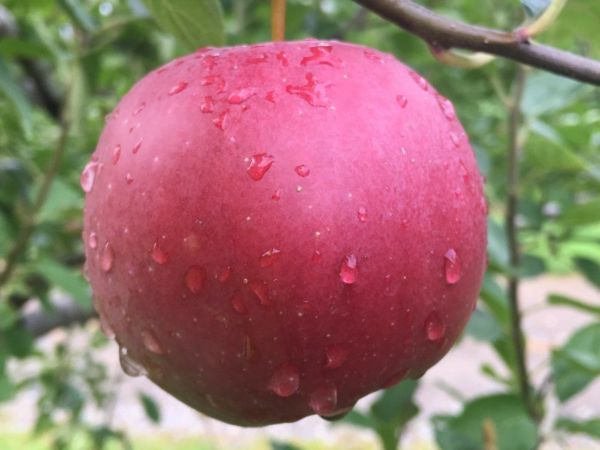
An attractive, highly disease-resistant apple, ideal for organic growers.
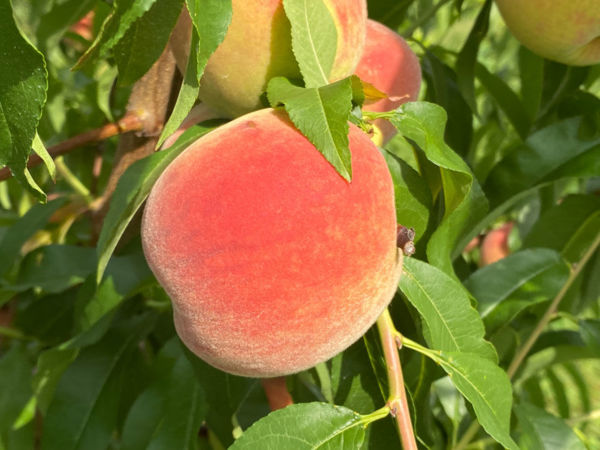
A full-flavored, freestone white peach.
One of America's oldest apples, good for storage, baking, and cider.
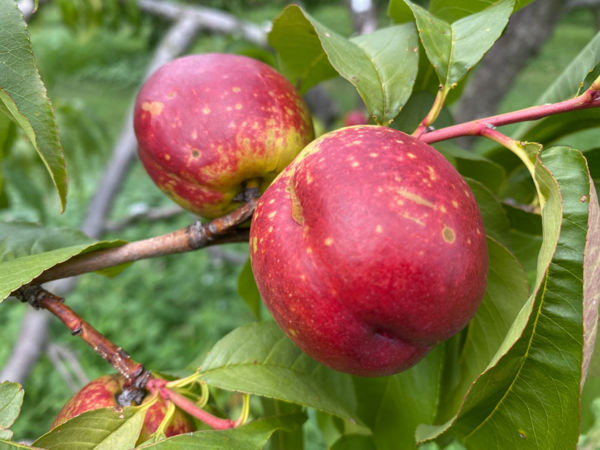
A widely-grown, large, yellow-fleshed nectarine.